

Unlocking the Power of Filler Cannulas – A Modern Approach to Dermal Rejuvenation
The filler cannula has transformed the landscape of aesthetic medicine, offering a safer, more precise alternative to traditional needle injections. This innovative tool is revolutionizing how practitioners administer dermal fillers, providing patients with minimized discomfort and enhanced results. As the demand for natural-looking rejuvenation increases, understanding the nuances of filler cannulas—covering their benefits, techniques, and selection—becomes essential for practitioners striving for excellence in facial aesthetics.
Introduction to Filler Cannulas – A Comprehensive Guide

Filler cannulas are specialized, blunt-tipped injection tools designed for delivering dermal fillers beneath the skin with reduced trauma. Unlike traditional needles, which are sharp and rigid, filler cannulas feature a flexible, rounded tip that navigates tissue planes more gently. Their design minimizes tissue punctures and reduces the risk of vascular injury, making them increasingly popular among aesthetic practitioners for various facial procedures.
The growing adoption of filler cannulas stems from their ability to facilitate safer, more comfortable injections. They allow for broader, more controlled filler placement while reducing the likelihood of hematomas and bruising, which are common complications with needle injections. As such, filler cannulas are not just a trend but a strategic advancement in the quest for more natural, long-lasting aesthetic outcomes. Mastering their use is essential for clinicians aiming to elevate their practice of non-surgical facial rejuvenation.
Benefits of Using Cannulas for Dermal Filler Injections
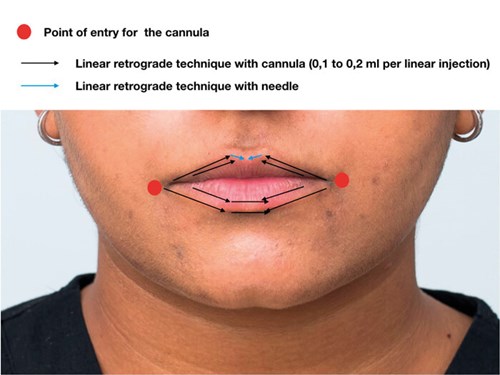
Leveraging the unique advantages of filler cannulas can significantly enhance both patient safety and procedural efficacy. One of the most notable benefits is the marked reduction in vascular injury risk; blunt-tip cannulas are designed to slide along blood vessels rather than puncture them, lowering the chances of inadvertent intravascular injections. This safety feature is particularly crucial in high-risk areas such as the forehead, glabella, and nasolabial folds where vascular structures are dense.
Beyond safety, the use of cannulas contributes to a more comfortable patient experience. Patients often report less pain and swelling because the blunt-tipped tools cause less tissue trauma. Additionally, cannulas enable more precise, multidirectional filler placement—resulting in more natural, harmonious results. For practitioners, these benefits translate into improved patient satisfaction, fewer post-procedural complications, and a more streamlined injection process that can accommodate larger filler volumes efficiently.
Filler Cannula Techniques – Best Practices for Optimal Results
Mastering filler cannula techniques requires a blend of anatomical knowledge, tactile skill, and strategic planning. Proper technique begins with understanding tissue layers—the goal is to navigate the cannula along safe planes such as the subcutaneous or supraperiosteal layers, depending on the target area. Using gentle, deliberate movements, practitioners should employ fanning or linear threading methods to distribute filler evenly, avoiding overcorrection or uneven contouring.
Best practices also include pre-injection mapping and careful aspiration to confirm that the cannula isn’t within a blood vessel before advancing. Incorporating a slow, controlled approach minimizes tissue trauma and ensures precise placement of filler. Experienced clinicians often develop a “methodical rhythm,” combining multiple small passes with incremental adjustments to achieve natural, harmonious results. Consistent practice and a solid understanding of facial anatomy are indispensable for harnessing the full potential of filler cannulas.
Comparing Cannulas and Needles for Facial Rejuvenation
While both cannulas and needles serve as valid tools in dermal filler injections, their differences are profound and should inform clinical decision-making. Traditional needles are sharp and are best suited for pinpoint injections in precise areas, such as fine lines or targeted superficial points. However, their rigidity can cause tissue trauma and increase the risk of piercing blood vessels, especially in areas with complex vascular anatomy.
In contrast, filler cannulas offer a safer and more versatile approach for broader, more uniform filler distributions across larger areas. Their blunt tip and flexible shaft allow for less traumatic, multidirectional injections, often reducing bruising and swelling. Nevertheless, needles retain an advantage in delicate, precision work requiring pinpoint accuracy—highlighting that the optimal approach often involves a combination tailored to each patient’s needs.
Complications and Risks Associated with Filler Cannula Use
Despite their many safety benefits, filler cannulas are not devoid of complications. The most common risks include bruising, swelling, and in rare cases, inadvertent intravascular injection, which can lead to tissue necrosis or, in severe instances, visual impairment. Recognizing and managing these risks requires thorough anatomical knowledge and technique refinement, underscoring why training and experience are vital.
Furthermore, improper use can result in irregular filler distribution, palpable lumps, or asymmetry. To mitigate these risks, clinicians should employ slow, methodical injection with constant monitoring and proper aspiration before advancing within the tissue. Staying alert to patient feedback during procedures and adhering to safety protocols ultimately enhances outcomes while minimizing adverse events tied to filler cannula use.
Choosing the Right Filler Cannula – Size, Gauge, and Material Considerations
Selecting an appropriate filler cannula hinges on an understanding of size, gauge, and material, all of which influence ease of navigation, safety, and aesthetic outcome. The gauge size typically ranges from 25G to 27G; larger gauges (smaller numbers) are stiffer and better suited for deeper, bulkier areas like the cheeks or jawline, while smaller gauges provide greater flexibility for delicate regions such as fine lines around the eyes.
Material composition, often medical-grade stainless steel or biocompatible polymers, impacts the durability and sterility of the cannula. Stainless steel cannulas tend to be more rigid, offering precise control in tough tissues, whereas polymer variants might be more flexible, suited for accessible superficial areas. Ultimately, a seasoned practitioner will consider the patient’s anatomy, desired outcome, and their own comfort level when choosing the most suitable filler cannula to ensure safe, effective, and natural results.
Conclusion
In the evolving field of facial rejuvenation, filler cannulas embody the fusion of safety, efficacy, and patient comfort, making them an integral part of modern aesthetic practice. Their design facilitates safer injection routes by reducing tissue trauma and vascular injury while enabling more natural filler distribution. Mastering techniques that leverage these tools—attentively selecting the right gauge, size, and material—empowers practitioners to deliver optimal outcomes with minimal complications. As safety protocols and technological advancements continue to develop, filler cannulas are poised to remain at the forefront of non-surgical facial enhancement, helping clinicians achieve harmonious, long-lasting results aligned with patient expectations.
English language.